
Capsule Wardrobe Planning: How to Design a Wardrobe System That Supports Your Real Daily Life
Creating a capsule wardrobe often begins with excitement. Many people love the idea of opening their closet and seeing only pieces that work beautifully together. The concept promises simplicity, elegance, and easier mornings. Yet the step that truly determines whether a capsule wardrobe succeeds is thoughtful planning.
3/7/20266 min read
Why Strategic Wardrobe Planning Matters More Than Inspiration
Many women begin simplifying their wardrobe after feeling overwhelmed by too many outfit choices. The idea of reducing clutter and gaining clarity feels appealing. However, without a clear planning strategy, wardrobe simplification can become another source of daily frustration rather than relief.
A wardrobe system should not be built only around aesthetic inspiration. It must be designed around real schedules, emotional comfort, climate realities, and energy levels throughout the week. When clothing supports these factors, daily dressing becomes smoother and more predictable.
I realised this during a particularly chaotic period when my mornings were filled with small but exhausting decisions. Some days started with school preparation, quick emails, and unexpected errands before mid-morning meetings. Without a structured wardrobe system, even choosing a simple outfit felt like a mental obstacle. This experience highlighted how clothing organisation can directly influence time management and emotional calm.
Strategic wardrobe planning transforms clothing into a practical support structure rather than a constant styling challenge.
If you are discovering the concept of capsule wardrobes for the first time, the complete overview shared in the The 2026 Guide to Elegant Style and a Simpler Lifestyle introduces the philosophy behind creating a more intentional and organized life. Once that foundation is clear, capsule wardrobe planning becomes the natural next step toward building a wardrobe that feels calm, cohesive, and easy to use.
This article focuses specifically on the planning stage. It explains how to design a wardrobe structure before choosing clothing pieces, allowing every item to serve a clear purpose. Readers who want a full overview of capsule wardrobe basics can explore the detailed framework presented in the Capsule Wardrobe Guide for Women, which explains the core principles behind simplified wardrobes.
The Wardrobe as a Lifestyle System
A thoughtfully planned wardrobe functions similarly to a well-organised workspace. It reduces friction, improves efficiency, and creates visual clarity. Instead of viewing clothing as isolated pieces, planning encourages women to think in terms of interconnected outfit ecosystems.
For example, a neutral blazer that pairs with three different trousers and two dresses multiplies styling possibilities without increasing wardrobe size. When garments interact naturally, outfit creation becomes intuitive even on busy mornings.
This systemic approach is particularly valuable for women balancing professional responsibilities, family routines, and personal projects. A structured wardrobe reduces the need for last-minute improvisation and allows more mental space for meaningful priorities.
Readers who want to refine their foundational pieces can explore the detailed guidance provided in Timeless Wardrobe Pieces That Make Morning Outfits Faster, where key garments that support efficient dressing are explained further.Publications like Harper's Bazaar often highlight how timeless wardrobes rely on thoughtful structure rather than constant shopping. Planning makes it easier to invest in clothing pieces that remain relevant season after season.
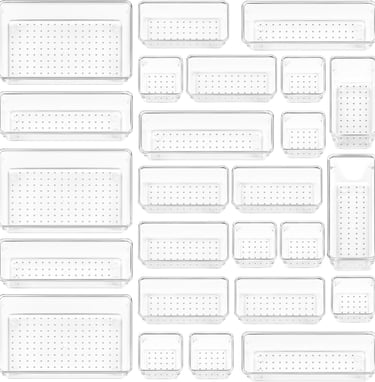
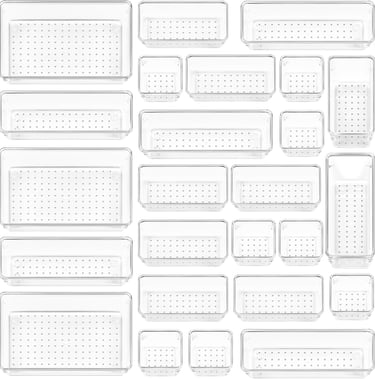
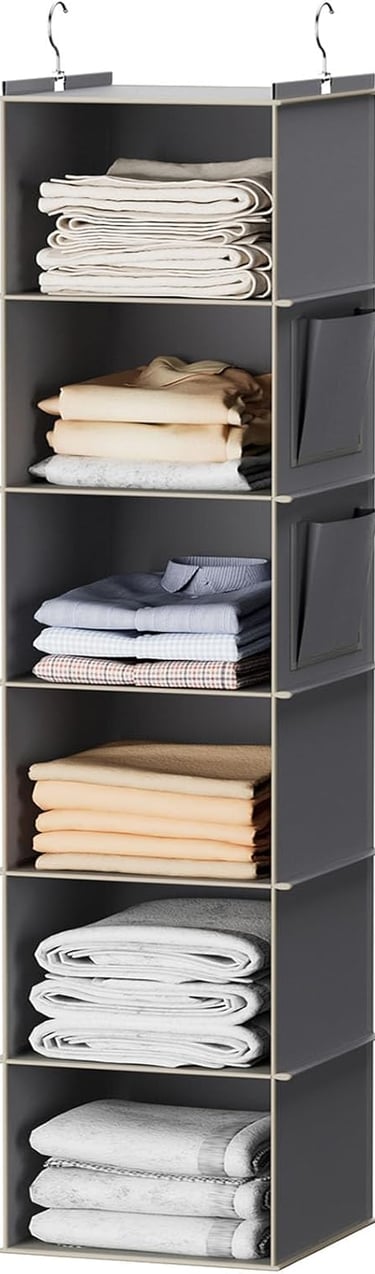
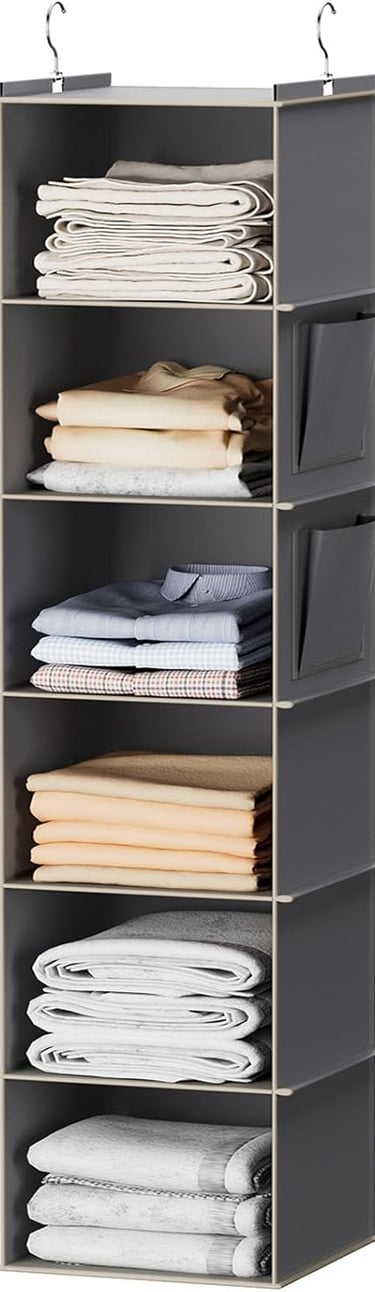


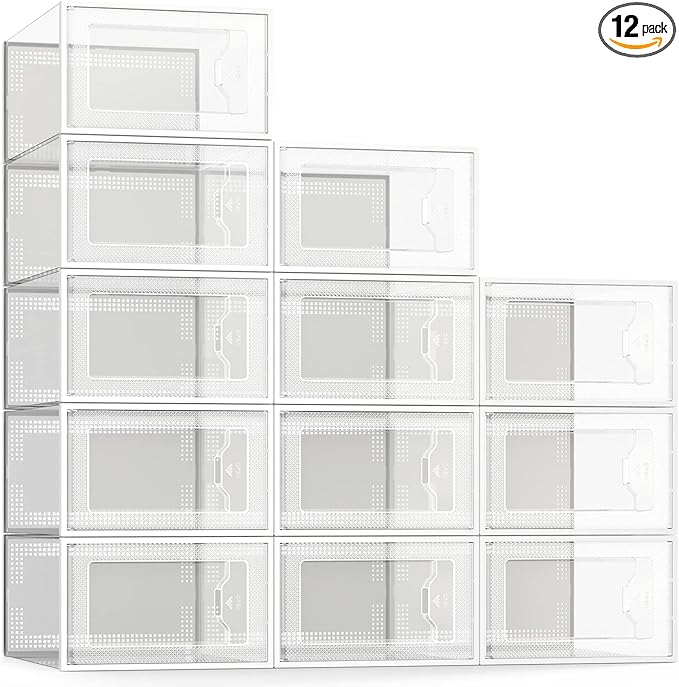
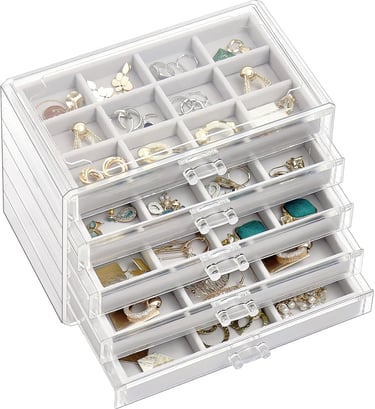
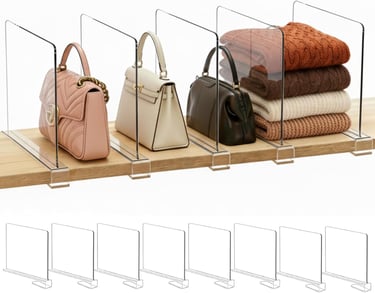
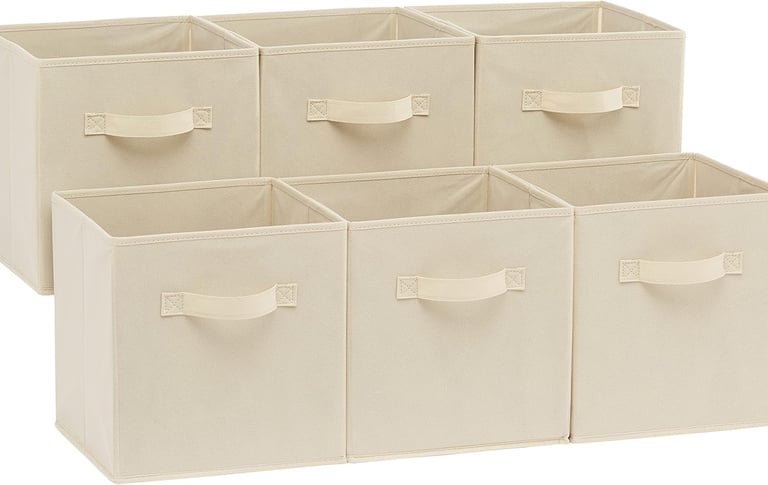
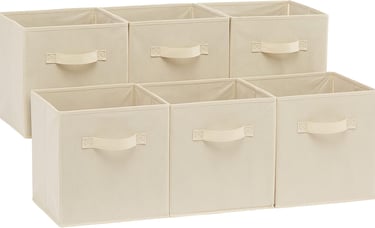
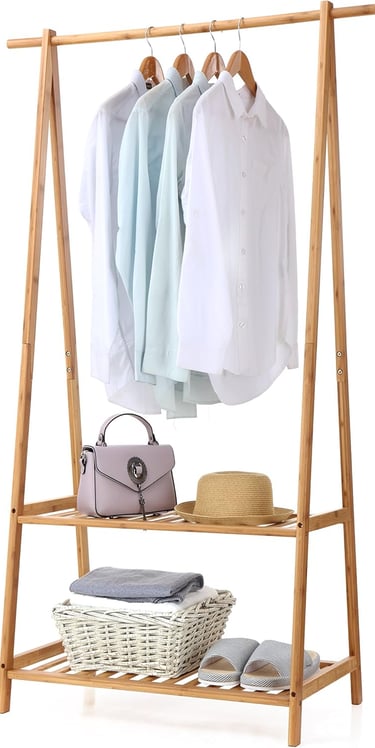
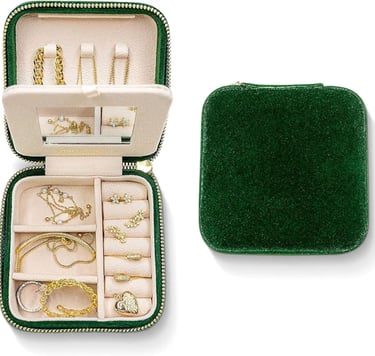
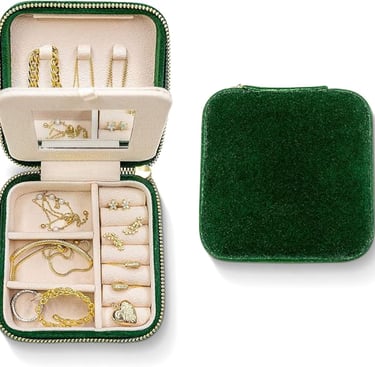
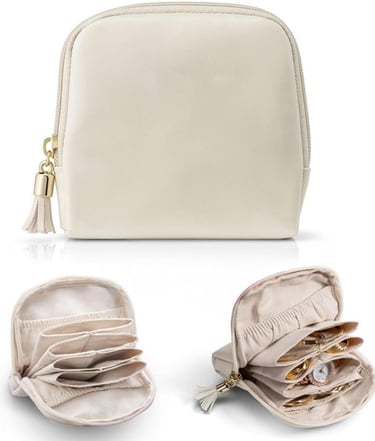
Helpful Amazon Products for Capsule Wardrobe Planning
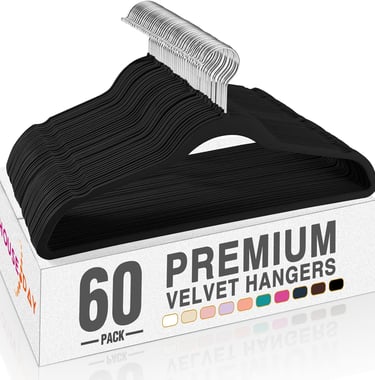
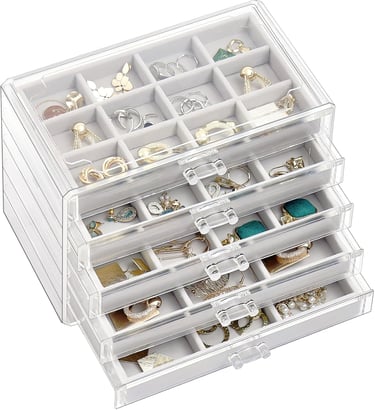
These practical tools can make wardrobe planning significantly easier:
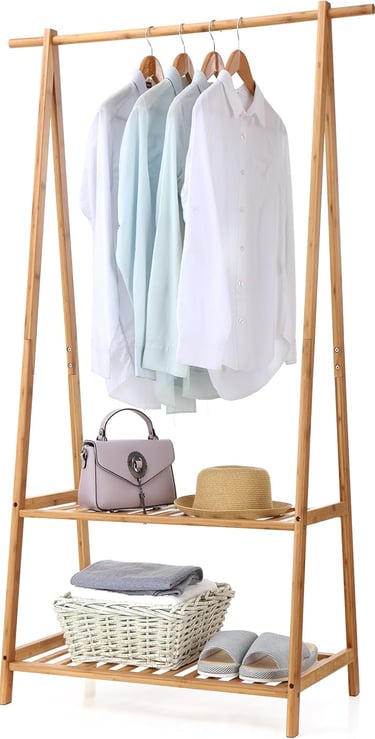
Wooden Clothing Rack for Outfit Planning
These items support wardrobe organization while maintaining a clean and elegant aesthetic.
How Strategic Planning Improves Daily Confidence
When wardrobe systems function smoothly, mornings become calmer and more predictable. Instead of experimenting with uncertain outfit combinations, women rely on proven formulas that support their identity and responsibilities.
Over time, this consistency strengthens personal style clarity and reduces lifestyle stress. Dressing becomes an act of quiet preparation rather than a source of hesitation.
Many women describe this transition as moving from “outfit searching” to “outfit knowing.” The difference may seem subtle, yet it profoundly impacts daily energy and self-perception.
Strategic wardrobe planning ultimately allows fashion to become a supportive framework for real life rather than a constant decision-making burden.
A thoughtfully planned wardrobe also aligns beautifully with the broader concept of intentional living described in the Elegant Lifestyle Guide: How to Live with Style Every Day. Both ideas share the same philosophy: choosing quality over quantity and creating environments that support clarity and confidence.
Capsule wardrobe planning also strengthens the role of foundational pieces discussed in the Timeless Wardrobe Essentials Guide, where classic garments form the base of versatile outfits.
When these principles work together, wardrobes become systems rather than collections.
Step 1 — Mapping Your Real Weekly Outfit Needs
Before removing clothing or purchasing new items, it is essential to understand how many outfits your real lifestyle requires. A typical week may include professional meetings, errands, social moments, relaxation time, and seasonal adjustments.
A practical planning method is to create a simple weekly outfit map.
For instance :
Monday → structured professional look
Tuesday → relaxed hybrid work outfit
Wednesday → movement-friendly errands outfit
Thursday → social or networking outfit
Friday → casual polished combination
Visualising this rhythm allows you to identify wardrobe gaps more accurately. Instead of decluttering randomly, you begin organising your clothing around functional outfit categories.
This step prevents the common mistake of keeping visually appealing garments that do not support real routines.
Step 2 — Designing Outfit Rotation Efficiency
An effective wardrobe system considers how frequently garments can be worn and restyled. Pieces that support multiple outfit scenarios increase wardrobe efficiency significantly.
For example, tailored neutral trousers may be worn in three different contexts during the same week:
with a blouse for meetings
with knitwear for errands
with a blazer for social events
This rotation strategy reduces preparation time because familiar outfit formulas begin to form naturally. Over time, dressing becomes a fluid process rather than a daily creative challenge.
Readers interested in practical outfit combinations can also explore Neutral Spring Outfit Ideas for Workdays for visual inspiration on how tonal dressing supports rotation.
Step 3 — Creating a Balanced Color Interaction System
Wardrobe planning becomes far more effective when colors are chosen strategically. Instead of selecting garments individually, it is useful to define a cohesive tonal interaction system.
Neutral palettes such as cream, beige, soft grey, navy, and muted earth tones tend to multiply outfit compatibility. When garments share harmonious undertones, styling becomes almost automatic.
Imagine opening your wardrobe and immediately seeing how each piece visually connects with others. This clarity eliminates hesitation and allows faster decision-making during time-sensitive mornings.
Developing this awareness also improves shopping decisions, encouraging fewer impulsive purchases and stronger long-term wardrobe coherence.
Step 4 — Building Time-Saving Outfit Formulas
One of the most powerful results of wardrobe system design is the creation of repeatable outfit formulas. These combinations function like mental shortcuts that simplify daily dressing.
Examples include :
blazer + knit + straight trousers
midi dress + lightweight outer layer
tonal blouse + denim + refined flats
When these formulas are tested in real situations — such as early appointments or unpredictable weather transitions — they become trusted solutions that reduce preparation stress.
Readers who want to refine accessory choices that enhance these formulas can explore Minimalist Accessories That Instantly Elevate Neutral Outfits.
The Capsule Wardrobe Planning Matrix
To make wardrobe organisation more tangible, it helps to visualise clothing through a simple planning matrix.
You can evaluate each garment according to :
frequency of wear
number of outfit combinations
seasonal adaptability
emotional comfort level
preparation time reduction
Garments that score highly across these criteria become strategic wardrobe anchors. Those that score low may require repositioning or removal.
This structured reflection transforms wardrobe planning into a practical decision-making process rather than an emotional one.
Creating a Wardrobe That Evolves With You
Designing a wardrobe system is not about limitation but about intelligent structure. When clothing choices align with real schedules, emotional comfort, and long-term versatility, everyday dressing becomes smoother and more intentional.
This planning mindset encourages mindful shopping habits, improved outfit rotation, and stronger confidence in personal style decisions. Over time, thoughtful wardrobe organisation creates a sense of calm continuity that supports both professional ambitions and personal wellbeing.
FAQ: Capsule Wardrobe Planning
What is capsule wardrobe planning?
Capsule wardrobe planning is the process of designing a simplified wardrobe structure before choosing clothing items. It involves identifying lifestyle needs, color palettes, clothing categories, and outfit combinations.
How many items should a capsule wardrobe contain?
There is no universal number. Many capsule wardrobes contain between 25 and 40 pieces, though the exact number depends on lifestyle and climate.
Can capsule wardrobes include trendy pieces?
Yes. Trend-driven items can exist alongside timeless pieces. Planning ensures that trendy items integrate smoothly with the core wardrobe.
Some links in this article may be affiliate links. This means that if you purchase through these links, we may earn a small commission at no additional cost to you. These recommendations are selected carefully to highlight practical tools that support wardrobe organization and everyday lifestyle improvements.
Pretty Lifestyle Finds
Navigation
contact@prettylifestylefinds.com
© 2026 Pretty Lifestyle Finds. All rights reserved.
Information
Disclosure
Some of the links on Pretty Lifestyle Finds are affiliate links. This means we may earn a small commission if you make a purchase through these links, at no additional cost to you.
Our recommendations are based on careful selection and editorial judgment.
Contact
Pretty Lifestyle Finds is a curated destination for women who appreciate timeless fashion, elegant accessories, beauty essentials, and thoughtful lifestyle inspiration.
Our goal is simple: to help you discover stylish pieces and everyday ideas that make life feel more refined, effortless, and enjoyable.
We carefully select products and ideas that combine quality, practicality, and elegant design — so you can simplify your choices while elevating your everyday lifestyle.